Modern homeowners are becoming increasingly aware of how everyday maintenance choices affect their health, indoor air quality, and the environment. From eco-friendly cleaning products to energy-efficient appliances, there is a growing demand for solutions that reduce the use of harsh chemicals without compromising performance. This shift has also transformed the way people approach home maintenance, including pest control, timber preservation, mold prevention, and property care.
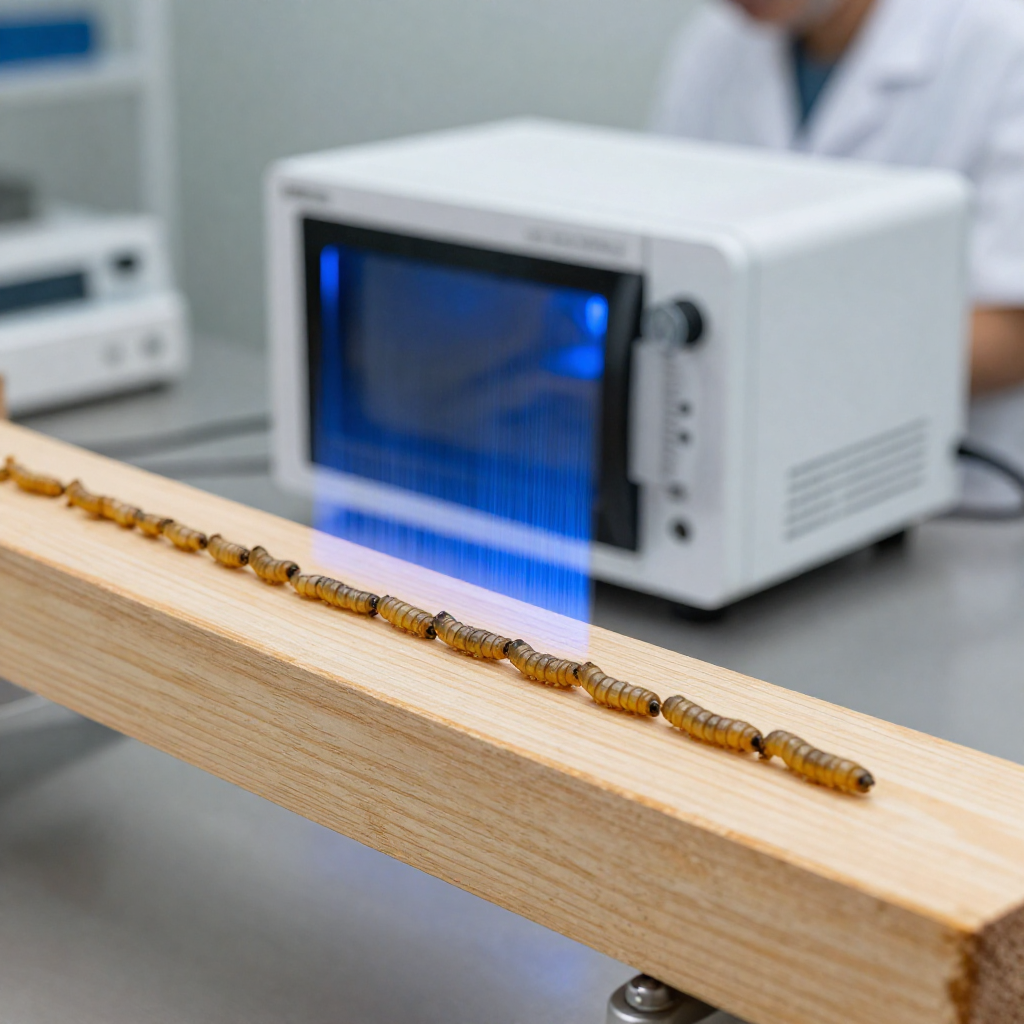
One of the fastest-growing trends is the adoption of chemical-free home maintenance solutions. Instead of relying solely on pesticides, solvents, and other chemical treatments, homeowners are embracing technologies and preventive strategies that focus on sustainability, safety, and long-term property protection. Among these innovations, microwave woodworm treatment has emerged as a modern, chemical-free method for eliminating wood-boring insects while preserving valuable timber.
In this guide, we’ll explore why chemical-free home maintenance is becoming more popular, its benefits, and the best sustainable solutions for protecting your home.
What Is Chemical-Free Home Maintenance?
Chemical-free home maintenance refers to the use of methods and technologies that reduce or eliminate the need for synthetic chemicals during routine property care.
Rather than depending on pesticides or harsh cleaning agents, these approaches emphasize:
- Preventive maintenance
- Physical treatment methods
- Heat-based technologies
- Moisture control
- Natural ventilation
- Sustainable building care
The goal is to maintain a healthy, durable home while reducing environmental impact.
Why Homeowners Are Making the Switch
Several factors are driving the rise of chemical-free maintenance solutions.
These include:
- Greater environmental awareness
- Interest in sustainable living
- Preference for reducing unnecessary chemical use
- Improved building preservation techniques
- Advances in modern technology
Many homeowners also appreciate maintenance methods that focus on preventing problems rather than simply treating them after they occur.
1. Better Indoor Environmental Quality
People spend a significant amount of time indoors, making indoor environmental quality an important consideration.
Chemical-free maintenance helps reduce the use of products that may leave strong odors or residues during treatment.
Examples include:
- Heat-based pest control
- Moisture management
- Improved ventilation
- Preventive building maintenance
These methods support cleaner indoor environments without relying heavily on chemical applications.
2. Environmentally Responsible Property Care
Sustainable maintenance practices help reduce the overall environmental impact of property ownership.
Benefits include:
- Lower reliance on synthetic pesticides
- Reduced construction waste
- Longer lifespan for building materials
- Preservation of existing timber
- Responsible resource management
Small improvements made consistently can have significant long-term environmental benefits.
3. Advances in Microwave Woodworm Treatment
One of the most significant innovations in chemical-free timber preservation is microwave woodworm treatment.
Professional equipment uses controlled electromagnetic energy to generate heat inside infested timber through dielectric heating.
The treatment is designed to eliminate:
- Woodworm larvae
- Beetle eggs
- Pupae
- Adult wood-boring beetles
Benefits
- No chemical insecticides
- No pesticide residues
- Localized treatment
- Suitable for heritage buildings
- Environmentally friendly
- Preserves original timber
Because it relies on heat rather than pesticides, microwave treatment has become increasingly popular for localized woodworm infestations.
4. Preventive Maintenance Saves Money
Chemical-free maintenance often focuses on preventing damage before expensive repairs become necessary.
Simple preventive measures include:
- Inspecting roof spaces annually.
- Repairing leaks promptly.
- Improving ventilation.
- Keeping timber dry.
- Monitoring furniture for signs of woodworm.
- Cleaning gutters regularly.
Preventive care is usually more cost-effective than repairing extensive structural damage.
5. Preserving Original Building Materials
Many older homes contain original timber that adds character and historical value.
Chemical-free maintenance encourages preserving these materials whenever possible.
This helps reduce:
- Demolition waste
- Replacement costs
- Demand for new construction materials
- Environmental impact associated with manufacturing
Maintaining existing materials is often more sustainable than replacing them.
6. Improved Technology
Modern equipment has made chemical-free maintenance more practical than ever.
Examples include:
- Digital moisture meters
- Thermal imaging cameras
- Microwave woodworm treatment systems
- Smart humidity monitoring
- Leak detection technology
These innovations improve early detection and allow more targeted maintenance.
7. Integrated Pest Management (IPM)
Many environmentally responsible companies now follow Integrated Pest Management (IPM) principles.
IPM combines:
- Routine inspections
- Moisture management
- Pest monitoring
- Building maintenance
- Physical exclusion
- Targeted treatment only when necessary
Rather than relying entirely on pesticides, IPM addresses the underlying causes of infestations.
Chemical-Free Maintenance vs. Traditional Chemical Methods
| Feature | Chemical-Free Maintenance | Traditional Chemical Methods |
|---|---|---|
| Uses Pesticides | No or minimal | Often |
| Leaves Chemical Residues | No | Sometimes |
| Focuses on Prevention | Yes | Varies |
| Environmental Impact | Lower | Moderate |
| Preserves Original Timber | Yes | Depends on the treatment |
Both approaches have value, and the most appropriate solution depends on the property’s needs.
Common Myths About Chemical-Free Maintenance
Myth 1: Chemical-Free Means Less Effective
Fact: Many chemical-free technologies, including professional microwave woodworm treatment and Integrated Pest Management, can be highly effective when applied appropriately.
Myth 2: Sustainable Maintenance Is More Expensive
Fact: Preventive maintenance often reduces the need for major repairs, helping lower long-term property costs.
Myth 3: Chemicals Should Never Be Used
Fact: Approved chemical treatments continue to play an important role in many maintenance situations. The goal of chemical-free maintenance is to reduce unnecessary chemical use—not eliminate appropriate treatments altogether.
Practical Tips for a Chemical-Free Home
You can make your home more sustainable by:
- Maintaining proper ventilation.
- Keeping indoor humidity under control.
- Repairing leaks immediately.
- Inspecting timber regularly.
- Cleaning gutters and drains.
- Monitoring for early signs of pests.
- Scheduling professional inspections when needed.
Small, consistent maintenance habits can prevent larger problems later.
When Should You Contact a Professional?
Professional advice is recommended if:
- Structural timber shows signs of woodworm.
- Moisture problems persist.
- Fresh frass continues appearing.
- Valuable antique furniture is affected.
- You want environmentally friendly treatment options.
- You’re planning maintenance for a heritage property.
A qualified timber preservation specialist can inspect your property and recommend the most appropriate chemical-free or low-chemical maintenance strategy.
Conclusion
The rise of chemical-free home maintenance reflects a growing commitment to healthier homes, sustainable living, and responsible property care. By focusing on prevention, moisture control, regular inspections, and innovative technologies such as microwave woodworm treatment, homeowners can protect their properties while reducing reliance on synthetic chemicals.
Although traditional chemical treatments continue to have an important role in certain situations, chemical-free alternatives are providing homeowners with more choices than ever before. With regular maintenance, early intervention, and professional guidance, it’s possible to preserve valuable building materials, improve indoor environmental quality, and reduce your home’s environmental footprint for years to come.Visit online https://www.shashel.eu for more details .