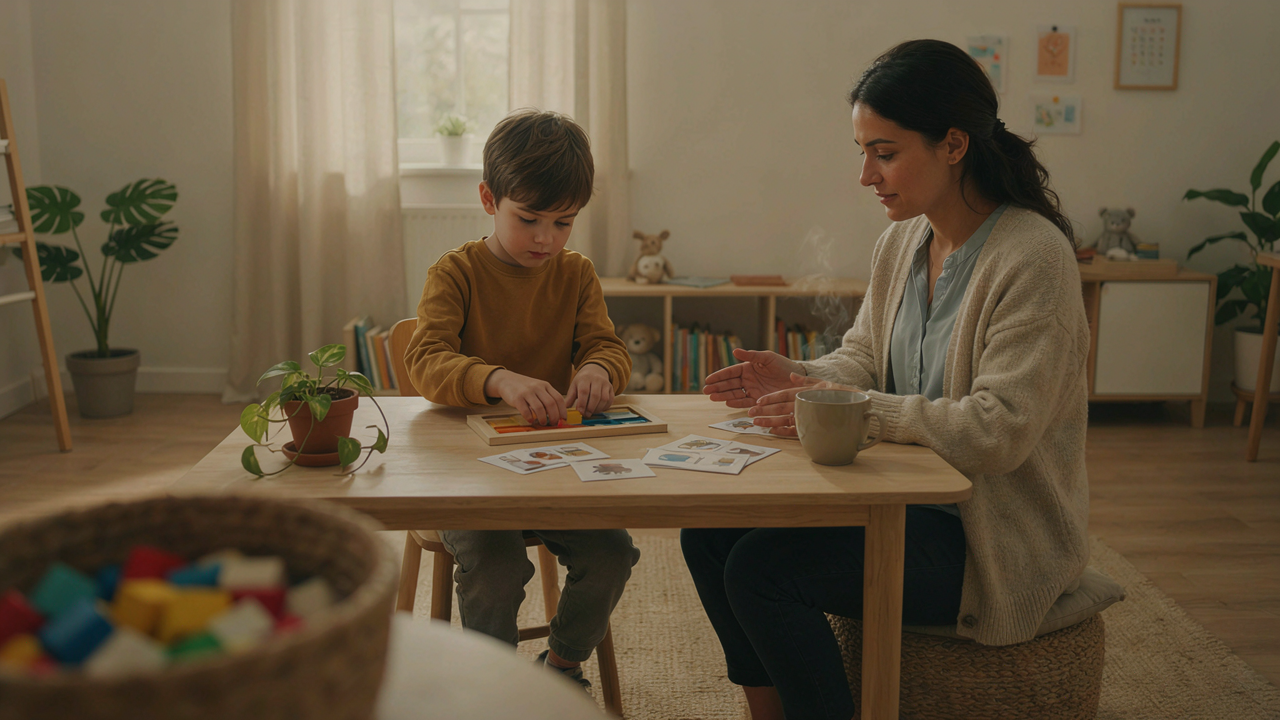
Families searching for effective autism support often encounter ABA therapy as one of the most widely recommended interventions. Backed by decades of scientific research, this evidence-based approach helps children develop practical skills that support greater independence, communication, and confidence in everyday life. Rather than focusing only on reducing challenging behaviors, ABA therapy emphasizes teaching meaningful skills that improve participation at home, in school, and within the community. Every child has unique strengths, interests, and learning styles, making individualized treatment an essential part of long-term success.
Organizations such as Trucogni Autism recognize that meaningful progress begins with understanding each child’s individual needs. Through personalized treatment plans, ongoing assessments, and family collaboration, children receive support designed to encourage steady development while celebrating every achievement along the way.
Why ABA Therapy Continues to Be a Trusted Autism Intervention
Applied Behavior Analysis, commonly known as ABA therapy, is based on the science of learning and behavior. Specialists observe how children respond to different environments, identify skills that need development, and create structured teaching strategies that encourage positive outcomes.
Unlike generalized educational programs, behavioral intervention focuses on measurable goals. Progress is monitored consistently, allowing therapists to adjust teaching methods based on each child’s development.
Research has shown that individualized behavioral interventions can support improvements in several important areas, including:
- Communication and language development
- Social interaction
- Emotional regulation
- Daily living skills
- Academic readiness
- Self-confidence
- Independent decision-making
- Adaptive behavior
Because every child develops differently, treatment plans remain flexible while maintaining clear objectives that guide steady progress.
Understanding How ABA Therapy Works
One of the strengths of ABA therapy is its structured yet highly individualized approach. Before therapy begins, professionals complete detailed assessments that evaluate developmental abilities, communication skills, social interactions, behavior patterns, and family priorities.
Information gathered during these assessments helps establish personalized goals that reflect each child’s current abilities while encouraging future growth.
Therapy sessions often involve:
- Skill-building exercises
- Play-based learning
- Positive reinforcement
- Communication practice
- Social interaction activities
- Daily routine training
- Problem-solving opportunities
Each learning opportunity builds upon previous successes, helping children gradually master more complex skills over time.
The Importance of Early Intervention
Early developmental support provides children with valuable opportunities to build foundational skills during critical learning periods. While children of many ages can benefit from behavioral intervention, beginning services earlier often allows developmental challenges to be addressed before they become more difficult.
Early intervention may support improvements in:
- Language acquisition
- Attention span
- Social engagement
- Emotional understanding
- Learning readiness
- Daily routines
Building these foundational skills creates stronger opportunities for future academic success and increased independence.
ABA Therapy for Communication Development
Communication is essential for learning, relationships, and emotional well-being. Many children with autism experience challenges expressing their needs, understanding conversations, or participating in social interactions.
Behavioral intervention helps strengthen communication through individualized teaching methods that match each child’s developmental level.
Therapy goals may include:
- Requesting preferred items appropriately
- Following simple and complex directions
- Expanding vocabulary
- Improving sentence formation
- Answering questions
- Initiating conversations
- Understanding nonverbal communication
- Developing listening skills
As communication improves, children often experience reduced frustration and increased confidence during everyday interactions.
Building Social Skills Through Everyday Experiences
Social development extends beyond simply interacting with others. It includes understanding emotions, recognizing social cues, taking turns, sharing interests, and building meaningful relationships.
Therapists create opportunities for children to practice these skills in structured settings before applying them naturally in real-world environments.
Examples include:
- Greeting others appropriately.
- Participating in cooperative play.
- Waiting patiently during conversations.
- Sharing toys and activities.
- Respecting personal space.
- Understanding facial expressions.
- Managing conflicts positively.
These experiences help children become more comfortable navigating social situations throughout childhood and beyond.
Positive Reinforcement Encourages Lasting Learning
One of the defining principles of behavioral intervention is positive reinforcement. Desired behaviors receive immediate encouragement, making children more likely to repeat those behaviors in future situations.
Reinforcement strategies vary depending on individual interests and motivations.
Examples include:
- Verbal praise
- Favorite games
- Stickers
- Tokens
- Extra playtime
- Preferred activities
By rewarding positive behaviors consistently, children develop greater motivation while building confidence through successful learning experiences.
Developing Independence Through Everyday Skills
Independence is an important goal for many families. Daily living skills allow children to participate more actively in routines while increasing confidence and reducing reliance on others.
Behavioral intervention commonly focuses on:
- Dressing independently
- Brushing teeth
- Washing hands
- Preparing simple snacks
- Cleaning up after activities
- Organizing personal belongings
- Following schedules
- Transitioning between tasks
Breaking larger tasks into manageable steps makes learning less overwhelming and more achievable.
Family Participation Strengthens Progress
Successful intervention extends beyond therapy sessions. Parents and caregivers reinforce new skills throughout daily routines, helping children practice what they learn in familiar environments.
Families may support development by:
- Encouraging consistent routines
- Practicing communication techniques
- Reinforcing positive behaviors
- Creating structured learning opportunities
- Celebrating small achievements
- Sharing progress with therapists
Strong collaboration between therapists and families creates greater consistency, allowing children to generalize newly learned skills across multiple settings.
Measuring Progress Through Ongoing Assessment
One reason behavioral intervention remains highly respected is its emphasis on measurable outcomes. Therapists collect data during sessions to monitor progress toward individualized goals.
Regular evaluations help determine:
- Which teaching methods are most effective
- Skills that require additional practice
- New developmental priorities
- Adjustments needed within treatment plans
This continuous process ensures therapy remains responsive to each child’s changing needs rather than following a fixed curriculum.
Creating Positive Learning Environments
Children learn best when they feel comfortable, supported, and motivated. Therapy environments are designed to encourage curiosity while minimizing unnecessary stress.
Successful learning settings often include:
- Predictable routines
- Engaging educational materials
- Interactive activities
- Clear expectations
- Positive encouragement
- Opportunities for success
A welcoming environment allows children to focus on learning while building confidence through consistent achievements.
Choosing an Experienced Autism Support Provider
Selecting an autism service provider is one of the most important decisions families make. High-quality organizations prioritize individualized care, evidence-based practices, professional collaboration, and ongoing communication with caregivers.
When evaluating providers, consider:
- Individualized treatment planning
- Qualified behavioral professionals
- Regular progress monitoring
- Family education opportunities
- Ethical, evidence-based practices
- Clear communication
- Long-term developmental planning
Trucogni Autism provides personalized behavioral services that focus on each child’s strengths while addressing areas requiring additional support. Individualized treatment, continuous assessment, and family-centered collaboration help create meaningful developmental progress that extends into everyday life.
Looking Beyond Short-Term Goals
Although many families initially seek therapy to address specific developmental concerns, long-term success involves much more than reaching individual milestones. Children continue developing as they encounter new experiences, educational environments, friendships, and responsibilities.
Behavioral intervention encourages lifelong learning by teaching problem-solving, adaptability, communication, emotional understanding, and independence. These skills support success throughout childhood, adolescence, and adulthood.
Each achievement, whether learning a new word, completing a daily routine independently, or making a new friend, contributes to greater confidence and long-term personal growth.
Conclusion
ABA therapy remains one of the most effective evidence-based approaches for supporting children with autism because it focuses on individualized learning, measurable progress, and meaningful life skills. Through personalized treatment plans, positive reinforcement, family involvement, and continuous evaluation, children gain communication, social, behavioral, and daily living skills that encourage greater independence and confidence.
Choosing a trusted provider such as Trucogni Autism gives families access to compassionate, individualized support designed to meet each child’s unique developmental journey. With consistent guidance, evidence-based strategies, and a commitment to long-term growth, ABA therapy can help children build the skills needed to thrive at home, in school, and throughout their communities.