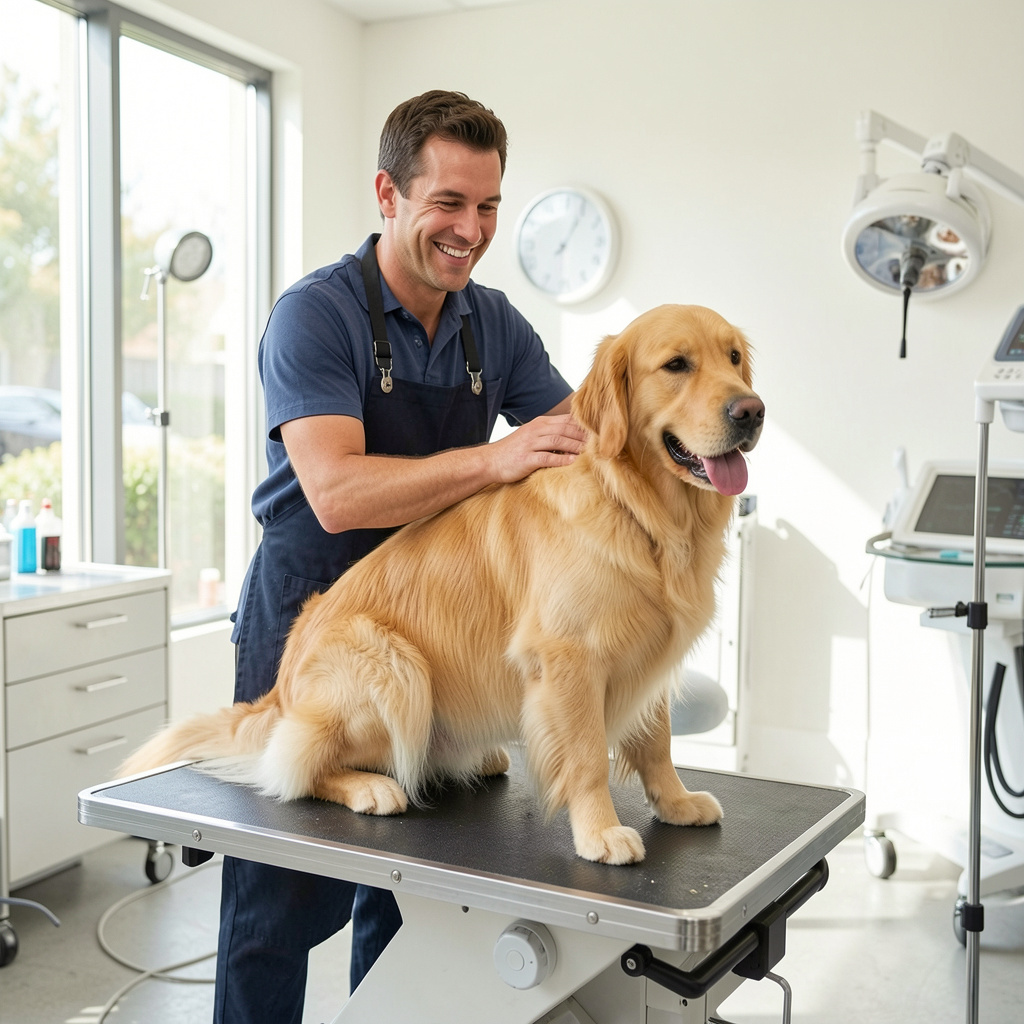
Starting a dog grooming business can be an excellent opportunity for entrepreneurs who enjoy working with animals and want to enter the growing pet care industry. With millions of dog owners seeking professional grooming services to keep their pets healthy, clean, and comfortable, demand for qualified groomers continues to increase. Whether you plan to open a grooming salon, operate a mobile grooming service, or work from home, careful planning is essential for building a successful and profitable business.
Before welcoming your first client, it’s important to understand the startup costs, essential equipment, licensing requirements, and legal responsibilities involved. Having a clear understanding of these areas will help you avoid unexpected expenses, comply with local regulations, and create a professional service that customers can trust.
This guide explains everything you need to know about the costs, equipment, and licensing involved in starting a dog grooming business.
Why Start a Dog Grooming Business?
The pet grooming industry continues to grow as more people prioritise their pets’ health and appearance. Regular grooming is an essential part of responsible pet care, making professional grooming services a recurring need for many dog owners.
Some of the main advantages of starting a dog grooming business include:
- Growing demand for pet grooming services
- Opportunity to work with animals every day
- Repeat customers and recurring income
- Flexible business models
- Potential for business expansion
- Relatively low startup costs compared to many industries
- Long-term earning potential
With the right preparation, a dog grooming business can provide both financial stability and personal satisfaction.
Understanding Startup Costs
The total cost of starting a dog grooming business depends on the type of business you choose.
Common startup expenses include:
- Business registration
- Licences and permits
- Insurance
- Grooming equipment
- Salon furniture
- Mobile grooming vehicle (if applicable)
- Website development
- Marketing materials
- Cleaning supplies
- Initial inventory of grooming products
Home-based businesses generally have lower startup costs, while commercial salons and mobile grooming services require a larger investment.
Choosing the Right Business Model
There are several business models to consider.
Home-Based Grooming
Operating from home can significantly reduce overhead expenses while offering flexibility. However, you should confirm that local zoning laws and regulations allow home-based pet grooming businesses.
Commercial Grooming Salon
Opening a salon provides a professional environment with more space for equipment, employees, and multiple appointments.
Mobile Dog Grooming
A mobile grooming business uses a specially equipped vehicle to provide services at customers’ homes. Although startup costs are higher, mobile grooming offers added convenience and can command premium pricing.
Essential Grooming Equipment
Investing in high-quality equipment helps ensure professional results and improves efficiency.
Basic grooming equipment includes:
- Grooming table
- Adjustable grooming arm
- Professional clippers
- Clipper blades
- Grooming scissors
- Brushes and combs
- Nail clippers
- Nail grinder
- High-velocity dryer
- Bathing tub
- Dog shampoos and conditioners
- Ear cleaning supplies
- Towels
- Cleaning and disinfecting products
Choosing durable equipment reduces maintenance costs and improves the overall customer experience.
Optional Equipment for Premium Services
As your business grows, additional equipment can expand your service offerings.
Examples include:
- Hydraulic grooming tables
- Adjustable bathing systems
- Coat conditioning equipment
- Drying cabinets
- Pet scales
- Grooming restraints
- Air filtration systems
- Retail display shelves
Premium equipment may improve efficiency while allowing you to offer higher-value grooming packages.
Licensing and Legal Requirements
Before opening your business, ensure you comply with local laws and regulations.
Depending on your location, you may need:
- Business registration
- Local business licence
- Tax registration
- Health and safety approvals
- Animal welfare compliance
- Fire safety inspections
Requirements vary by region, so always check with your local authorities before launching your business.
Business Insurance
Insurance is an important part of protecting your business.
Consider obtaining coverage such as:
- Public liability insurance
- Professional liability insurance
- Property insurance
- Equipment insurance
- Business interruption insurance
- Workers’ compensation insurance (if hiring staff)
Appropriate insurance helps protect your business against unexpected incidents and claims.
Creating a Safe Grooming Environment
Safety should always be a top priority.
Your grooming facility should include:
- Non-slip flooring
- Proper ventilation
- Clean workstations
- Secure equipment storage
- Safe animal handling procedures
- Regular cleaning and sanitisation
A clean and organised workspace creates a positive experience for both pets and their owners.
Setting Your Pricing
Pricing should cover your operating costs while remaining competitive within your local market.
Factors to consider include:
- Dog size
- Breed
- Coat condition
- Grooming complexity
- Appointment length
- Additional treatments
Many businesses also offer package pricing for services such as bathing, haircuts, nail trimming, ear cleaning, and teeth brushing.
Hiring Employees
As your business expands, you may need additional staff.
Potential roles include:
- Professional groomers
- Grooming assistants
- Reception staff
- Customer service representatives
- Cleaning staff
Hiring qualified employees helps maintain service quality while supporting business growth.
Marketing Your Dog Grooming Business
A strong marketing strategy helps attract new clients and build long-term customer relationships.
Effective marketing methods include:
- Local SEO
- Social media marketing
- Referral programmes
- Email newsletters
- Partnerships with veterinarians
- Collaborations with pet supply stores
- Community events
- Customer loyalty programmes
Positive online reviews and recommendations can significantly improve your business’s reputation.
Building Customer Trust
Trust is essential in the pet care industry.
You can build customer confidence by:
- Communicating clearly
- Providing transparent pricing
- Maintaining a clean facility
- Treating every dog with care and patience
- Explaining grooming recommendations
- Following strict hygiene standards
Excellent customer service encourages repeat business and referrals.
Managing Ongoing Business Costs
After launching your business, you’ll need to budget for regular operating expenses.
Common ongoing costs include:
- Rent or mortgage
- Utilities
- Insurance premiums
- Grooming products
- Equipment maintenance
- Employee wages
- Marketing
- Website maintenance
- Cleaning supplies
Monitoring these expenses helps maintain healthy profit margins.
Common Challenges
Like any business, dog grooming comes with challenges.
Some of the most common include:
- Building an initial client base
- Managing seasonal demand
- Handling anxious or aggressive dogs
- Equipment repairs
- Rising operating costs
- Staff recruitment and retention
Preparing for these challenges allows you to respond more effectively as your business grows.
Tips for Long-Term Success
To build a successful dog grooming business:
- Continue improving your grooming skills.
- Invest in reliable equipment.
- Keep your workspace clean and organised.
- Stay informed about industry trends.
- Build strong relationships with customers.
- Monitor your finances regularly.
- Deliver consistent, high-quality service.
- Adapt your business as customer needs evolve.
Small, consistent improvements often lead to significant long-term growth.
Benefits of Starting a Dog Grooming Business
A successful dog grooming business offers many long-term advantages, including:
- High demand for services
- Loyal repeat customers
- Flexible business opportunities
- Opportunities to expand into premium services
- Personal satisfaction from working with animals
- Stable earning potential
- Strong community connections
With dedication and excellent service, your business can become a trusted destination for pet owners.
Conclusion
Starting a dog grooming business requires careful planning, financial preparation, and a commitment to delivering exceptional care for every pet. Understanding your startup costs, investing in quality equipment, obtaining the necessary licences, and following local regulations will provide a strong foundation for long-term success.
Whether you choose to operate from home, open a grooming salon, or launch a mobile grooming service, focusing on professionalism, customer satisfaction, and continuous improvement will help your business thrive. By combining excellent grooming skills with smart business practices, you can build a profitable and respected dog grooming business that serves your community for years to come.