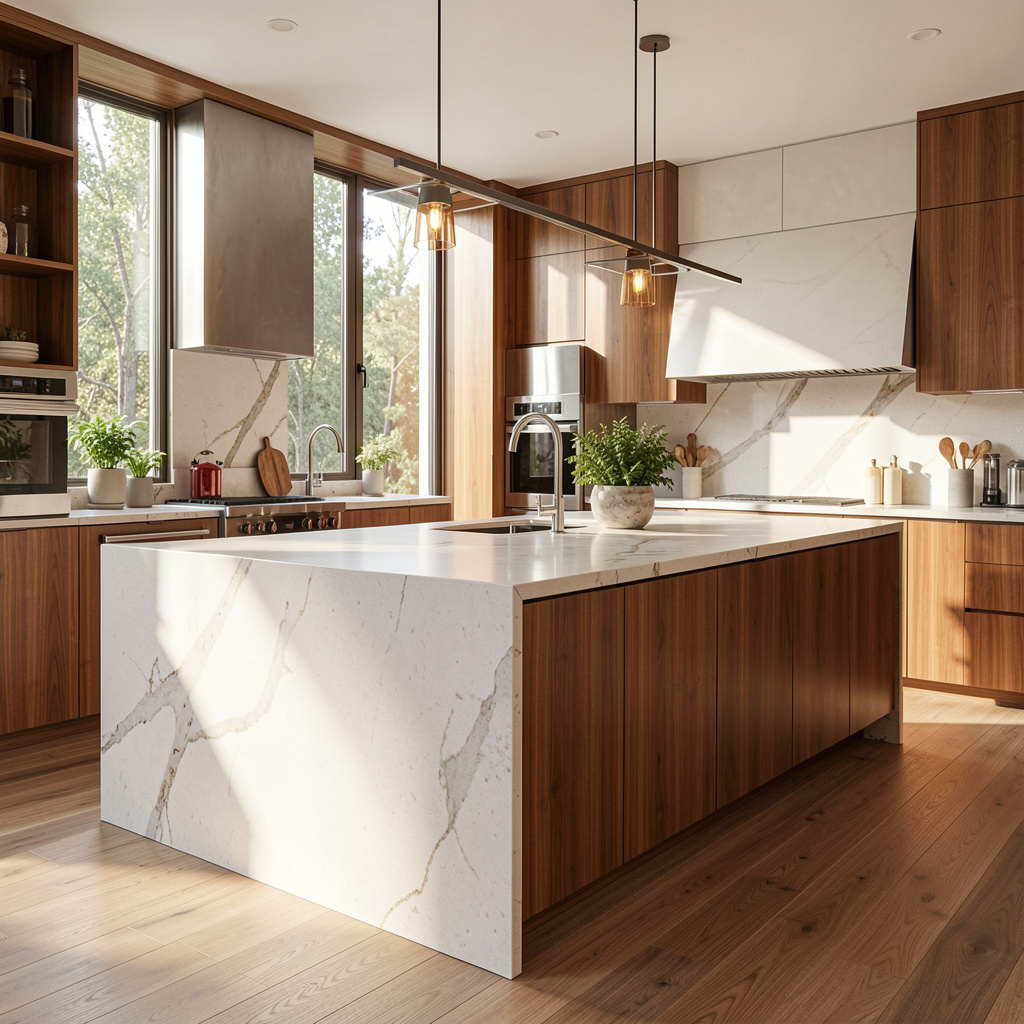
In today’s architecture and interior design industries, choosing the right surface material is essential for achieving both visual appeal and long-term performance. An experienced acrylic solid surface manufacturer such as Hyundai L&C provides solutions that support residential, commercial, and hospitality projects with durable, hygienic, and customizable materials. As designers and builders look for surfaces that balance functionality with modern aesthetics, acrylic solid surface materials continue to gain attention for their seamless appearance and practical benefits.
Surface selection affects more than just the look of a space. It influences maintenance requirements, durability, design flexibility, and the overall user experience. Understanding what makes acrylic solid surfaces valuable can help architects, contractors, and property owners make informed decisions for their projects.
Understanding Acrylic Solid Surface Materials
Acrylic solid surface is a non-porous material made from acrylic polymers combined with natural minerals and pigments. Unlike many traditional countertop materials, these surfaces have a consistent composition throughout the entire sheet, allowing them to be repaired, refinished, and customized when needed.
The material is widely used in:
- Kitchen countertops
- Bathroom vanities
- Healthcare environments
- Hospitality spaces
- Retail interiors
- Office workspaces
- Wall cladding applications
One of the key advantages of acrylic solid surface materials is their ability to create smooth, continuous designs. Seams can often be joined with minimal visibility, producing a clean appearance that works well with contemporary architectural styles.
Why Choosing the Right Acrylic Solid Surface Manufacturer Matters
The quality of the manufacturing process directly influences the performance and appearance of the finished material. A reliable acrylic solid surface manufacturer focuses on precise production methods, material consistency, and strict quality standards to deliver surfaces suitable for demanding applications.
When evaluating a manufacturer, consider several important factors:
Material Quality and Production Standards
High-quality acrylic solid surfaces should provide consistent color, texture, and structural performance. Manufacturers with advanced production systems can maintain tighter quality control, helping ensure that each sheet meets project expectations.
Important qualities include:
- Consistent thickness and composition
- Reliable durability
- Smooth surface finishing
- Long-term color stability
- Compatibility with fabrication methods
These characteristics allow fabricators and designers to achieve dependable results across different applications.
Design Flexibility for Creative Projects
Modern projects often require materials that support unique design concepts. Acrylic solid surfaces are available in various colors, patterns, and finishes, making them suitable for both minimalist and bold interior styles.
Design professionals often choose these materials because they can be:
- Cut into custom shapes
- Thermoformed into curved designs
- Integrated with sinks and backsplashes
- Used for vertical and horizontal applications
This flexibility gives architects and designers more freedom when developing functional and visually appealing spaces.
Key Benefits of Acrylic Solid Surface Applications
Acrylic solid surfaces offer several advantages that make them a practical choice for many environments.
Non-Porous Performance
Because acrylic solid surfaces do not absorb liquids easily, they are easier to clean and maintain compared with porous materials. This feature is especially valuable in areas where hygiene is a priority, such as healthcare facilities, restaurants, and food preparation spaces.
The non-porous structure helps reduce the buildup of stains and makes routine cleaning more straightforward.
Seamless Appearance
A seamless surface design creates a refined and modern look. Visible joints can interrupt the visual flow of countertops, walls, and other installations, while acrylic solid surfaces allow for smoother transitions between sections.
This benefit is particularly useful for large commercial installations where appearance and consistency are important.
Repairable Surface Design
Daily use can eventually lead to minor scratches or surface marks. One advantage of acrylic solid surfaces is that many imperfections can be repaired through sanding and refinishing processes.
Instead of replacing an entire installation, maintenance teams may be able to restore the original appearance, helping extend the usable life of the material.
Acrylic Solid Surface vs. Other Countertop Materials
Choosing between different surface materials requires understanding the unique characteristics of each option. Natural stone, quartz, laminate, and acrylic solid surfaces each have different benefits depending on project requirements.
Acrylic solid surfaces stand out because they combine design flexibility with practical maintenance advantages. While natural stone offers distinctive patterns created by nature, acrylic materials provide greater control over color consistency and customization.
Compared with some other engineered surfaces, acrylic solid surfaces are also easier to modify during fabrication. This makes them suitable for projects requiring unique shapes, integrated components, or specialized design details.
Sustainable Considerations in Surface Manufacturing
Sustainability has become an important consideration in modern construction and interior design. Many project teams now evaluate materials based on durability, lifespan, and responsible manufacturing practices.
A durable surface material can contribute to longer-lasting installations by reducing the need for frequent replacement. Materials that maintain their appearance and performance over time may support more resource-conscious building decisions.
When selecting an acrylic solid surface manufacturer, professionals should consider:
- Manufacturing processes and quality controls
- Product durability
- Material lifecycle
- Support for efficient installation practices
These factors help create spaces designed for long-term use.
How Businesses Can Select the Right Surface Partner
For contractors, architects, and designers, choosing a surface supplier involves more than comparing product samples. A dependable manufacturing partner should provide technical knowledge, consistent materials, and support throughout the project process.
Before making a decision, consider the following steps:
- Review product specifications and material capabilities.
- Evaluate available colors, finishes, and customization options.
- Confirm manufacturing quality standards.
- Consider project timelines and supply reliability.
- Work with a partner that understands industry requirements.
A strong supplier relationship can help ensure smoother project execution from planning through installation.
The Future of Acrylic Solid Surface Design
As interior trends continue to focus on personalization, functionality, and durable materials, acrylic solid surfaces remain an important option for modern spaces. Their combination of clean aesthetics, easy maintenance, and fabrication flexibility allows them to meet changing design demands.
Future applications may continue expanding as architects and builders seek materials that support innovative layouts while maintaining practical performance. From residential interiors to large commercial developments, these surfaces provide opportunities for creative and functional design solutions.
Final Thoughts
Selecting the right surface material is an important decision that impacts both the appearance and performance of a space. A trusted acrylic solid surface manufacturer can provide materials that meet the needs of designers, builders, and property owners seeking durability, versatility, and reliable quality. Hyundai L&C delivers advanced surface solutions designed to support modern construction and interior design requirements.
With advantages such as seamless installation, repairable surfaces, and design flexibility, acrylic solid materials continue to be a valuable choice for residential, commercial, and hospitality projects. By understanding material characteristics and working with experienced suppliers, professionals can create spaces that remain attractive and functional for years to come.